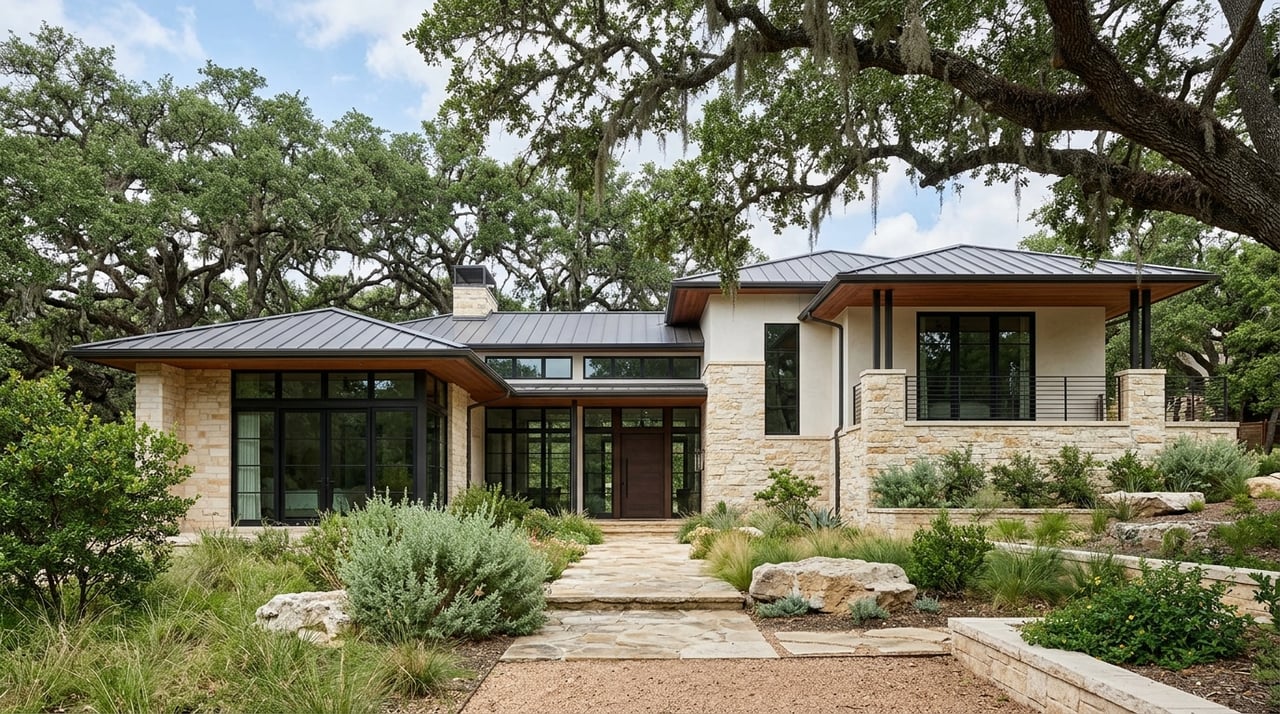
If you want Hill Country scenery without feeling cut off from Austin, Dripping Springs usually lands on the shortlist fast. It offers a small-town feel, scenic open space, and a growing local food and wine scene, while still keeping daily access to the city within reach. If you are wondering what it is really like to live in Dripping Springs, this guide will walk you through the lifestyle, housing mix, and practical tradeoffs so you can decide whether it fits the way you want to live. Let’s dive in.
Why Dripping Springs Stands Out
Dripping Springs sits in northern Hays County, west of Austin, and the city describes itself as the Gateway to the Hill Country. That label makes sense when you look at the setting. You get rolling terrain, springs, creeks, and a landscape that feels more relaxed than many closer-in suburbs.
At the same time, this is not a sleepy town frozen in time. Dripping Springs has grown quickly, with the city estimating a population of 11,167 in 2025, up from 4,650 in 2020. Even with that growth, the community still leans into its small-town identity through local events, historic downtown spaces, and a strong connection to the outdoors.
Dripping Springs Lifestyle
For many buyers, Dripping Springs is a lifestyle choice first and a zip code second. The draw is not only where it is, but how daily life feels once you are there. You get a mix of scenic beauty, local gathering spots, and a pace that often feels more grounded than busier parts of the Austin area.
Historic downtown character
One of the clearest examples of that character is Mercer Street and the historic downtown area. The city has also invested in preserving the vitality and character of downtown through its TIRZ efforts, which tells you something important about local priorities. This is a place that values growth, but also wants to keep its core identity intact.
Food, wine, and community rhythm
Dripping Springs has built a strong local reputation around food, drink, and social gathering. The Visitors Bureau highlights live music, craft breweries, wineries, and shopping, while local directories include wineries such as Summer Revival Wine Co., Solaro Estate Winery and Vineyards, Hawk's Shadow Estate Winery, and Feral Housewife Wine.
You also see that community rhythm in everyday spots and weekly traditions. Food options listed by the city include Dos Olivos Market, Simply Pho House, Grand Slam Pizza, and Verde's Mexican Parilla, and the Dripping Springs Farmers Market runs every Wednesday at Dripping Springs Ranch Park. Annual events like Founders Day and Taste of Drip also reinforce that local, small-business-centered feel.
Dark skies and Hill Country atmosphere
A detail many buyers love is Dripping Springs’ International Dark Sky Community designation, which the city says it first earned in 2014. That designation supports something residents often feel right away: nights can feel calmer, darker, and more connected to the landscape than in brighter urban areas. It is a small quality-of-life factor, but for many people, it becomes part of the appeal.
Outdoor Access Is Part of Daily Life
If you want easy access to nature, Dripping Springs delivers. Outdoor amenities are not an afterthought here. They are part of what shapes the area’s identity and how people spend their weekends and evenings.
Dripping Springs Ranch Park
Dripping Springs Ranch Park is one of the area’s major local amenities. The city-owned site spans 130 acres and includes 6.2 miles of multi-use trails, an equestrian facility, wildlife preservation space, and an event center.
That means outdoor living can be built into your weekly routine, not reserved for special trips. Whether you want trails, events, or a place to unplug, Ranch Park gives residents a strong home-base amenity right in the community.
Nearby preserves and state park access
The wider area adds even more outdoor options. Hamilton Pool Preserve, managed by Travis County, covers 232 acres and requires reservations every day. Hiking is allowed, but water access is limited and depends on conditions, so swimming is not guaranteed.
Pedernales Falls State Park expands the menu even further with camping, hiking, mountain biking, birding, horseback riding, swimming, tubing, and fishing. Westcave Outdoor Discovery Center also offers guided visits to a 76-acre preserve by reservation. Together, these destinations help explain why Dripping Springs appeals so strongly to buyers who want nature woven into everyday life.
Housing in Dripping Springs
Dripping Springs is not a one-note housing market. That matters if you are moving from another part of Austin or relocating from out of town, because the range of home styles and lot sizes can be broader than many people expect.
A mix of subdivisions and acreage
The city notes that much of its recent growth has taken place in residential subdivisions within the city limits and ETJ. At the same time, current listings reflect a wide spread of property types, including homes on 1-acre, 2.74-acre, 5.84-acre, 12-acre, and 16.18-acre lots, along with larger farms and ranches.
In practical terms, you may find builder homes, custom homes, and true acreage properties all within the same general market search. That creates more lifestyle options, but it also means buyers need to look closely at how location, land, and home style align with their goals.
What costs look like
Housing costs in Dripping Springs tend to reflect its popularity and lifestyle appeal. Census data show a median owner-occupied home value of $635,600, a median monthly owner cost with a mortgage of $2,948, and a median gross rent of $2,234.
Those numbers do not tell the whole story of any individual purchase, but they do help set expectations. If you are considering a move here, it is wise to think about both the home itself and the broader value of land, scenery, privacy, and access to Hill Country amenities.
Commuting to Austin
One of the biggest reasons buyers consider Dripping Springs is the ability to enjoy a Hill Country setting while staying connected to Austin. That balance is real, but it comes with a clear caveat: commuting is possible, though not always seamless.
Census data show a mean travel time to work of 27.4 minutes, which suggests the trip can be manageable outside peak traffic. However, TxDOT is studying US 290 from RM 1826 in southwest Austin to Rob Shelton Boulevard in Dripping Springs due to congestion and safety concerns. The agency describes the corridor as a four-lane undivided highway with center-turn lanes and signalized intersections.
For you, that means the commute may feel very reasonable on some days and more frustrating on others. If city access matters, it is smart to weigh not just distance on a map, but your expected travel times, schedule flexibility, and tolerance for rush-hour traffic.
Tradeoffs to Consider
Every location has tradeoffs, and Dripping Springs is no exception. The same features that make it attractive can also create points to think through carefully before you buy.
The biggest factors are typically higher housing costs, rapid growth, and traffic along key corridors. If you are drawn to the area for its character and open space, you will want to look at each neighborhood or property with a clear eye toward how much privacy, convenience, and long-term flexibility you want.
That said, many buyers decide those tradeoffs are worth it. Historic downtown character, strong outdoor access, a recognizable food and wine scene, and realistic Austin connectivity make Dripping Springs feel like a place where lifestyle leads the decision.
Who Dripping Springs Fits Best
Dripping Springs can appeal to several kinds of buyers. If you want more space, a custom home feel, or a property with land, this market offers options that are harder to find in many closer-in Austin neighborhoods.
It can also fit relocating buyers who want a calmer setting without giving up access to Austin for work, dining, or entertainment. And if you are looking for a place where outdoor recreation, local events, and Hill Country scenery shape day-to-day life, Dripping Springs has a strong case.
Final Thoughts on Living in Dripping Springs
Living in Dripping Springs means balancing beauty, space, and community character with the realities of growth and traffic. For many people, that is exactly the right trade. You get a town with a distinct identity, meaningful access to nature, and enough connection to Austin to keep work and city amenities within reach.
If you are thinking about buying or selling in Dripping Springs, having local guidance matters because this market includes everything from neighborhood homes to custom properties and acreage. Kasey Fagan offers a broker-led, highly personalized approach with thoughtful guidance for buyers, sellers, relocations, and new construction across Dripping Springs and the Texas Hill Country.
FAQs
What is living in Dripping Springs like for daily lifestyle?
- Living in Dripping Springs often means a mix of small-town rhythm, local events, outdoor access, wineries, live music, and a historic downtown feel, with Austin still reachable for work and city activities.
What types of homes are available in Dripping Springs?
- The Dripping Springs housing market includes residential subdivisions, custom homes, and acreage properties, with listings that can range from around 1 acre to much larger farm and ranch tracts.
How far is Dripping Springs from Austin?
- The city describes Dripping Springs as about 25 minutes west of Austin, and Census data show a mean travel time to work of 27.4 minutes, though traffic on US 290 can add delays.
What outdoor activities are near Dripping Springs?
- Outdoor options near Dripping Springs include trails and events at Dripping Springs Ranch Park, hiking at Hamilton Pool Preserve, and camping, biking, fishing, and swimming activities at Pedernales Falls State Park.
Is Dripping Springs a good fit if you want Hill Country scenery?
- Dripping Springs is often a strong fit if you want Hill Country scenery because it offers open space, creeks and springs, dark skies, and easy access to parks and preserves while still keeping Austin within reach.