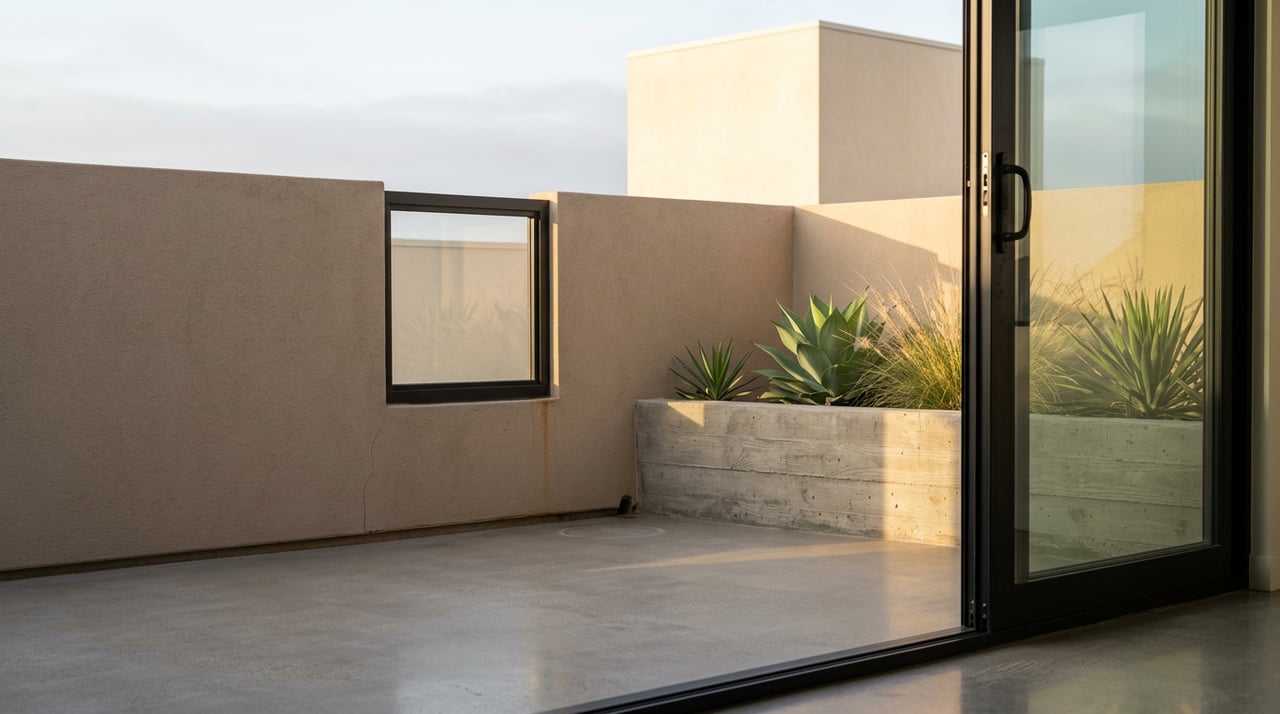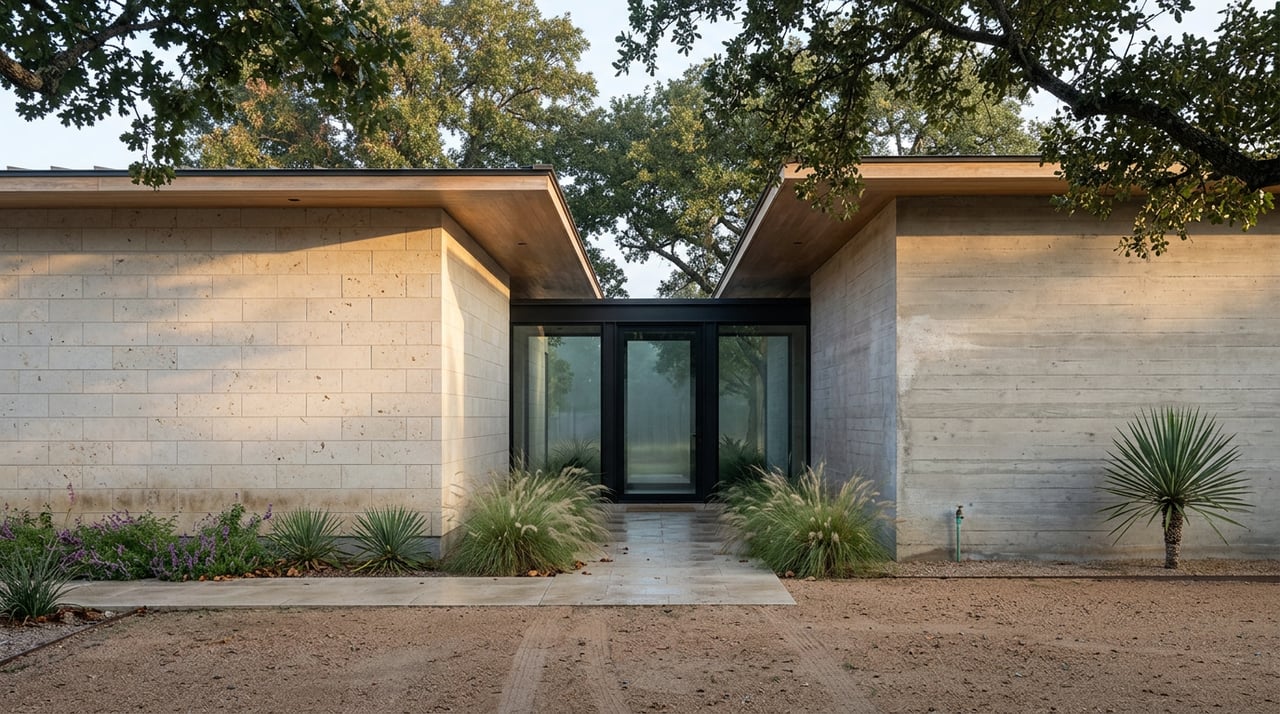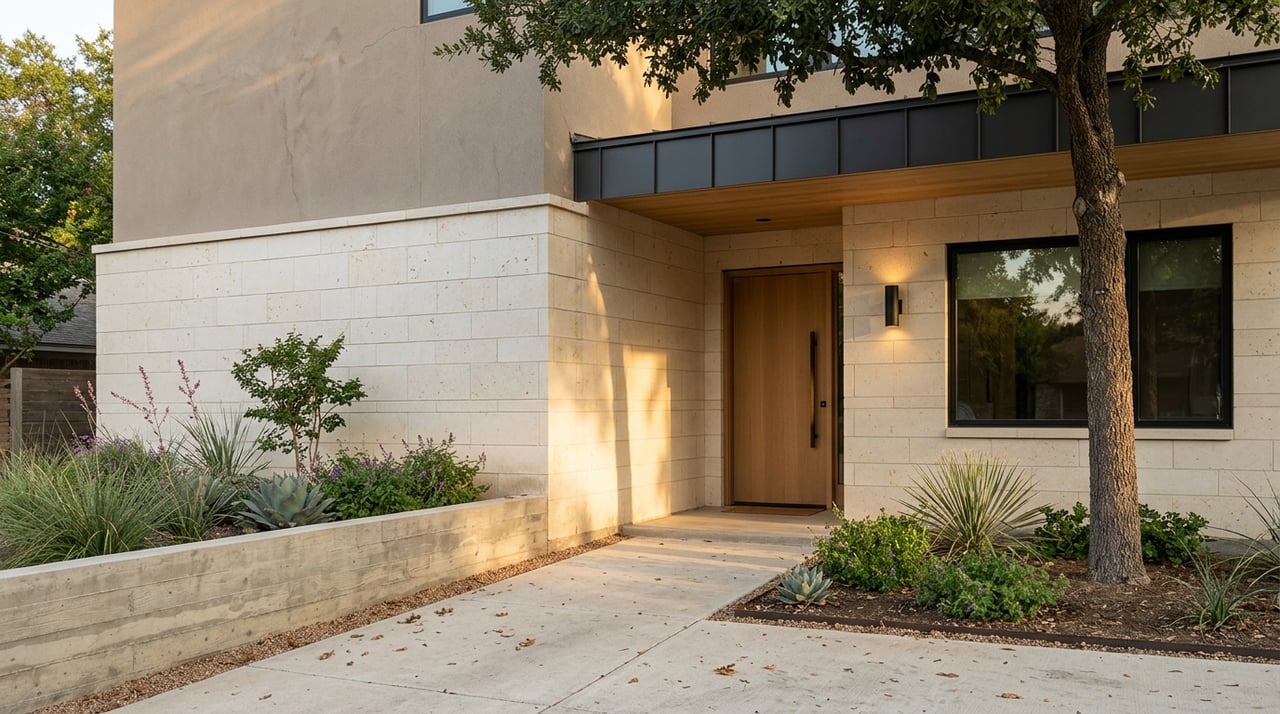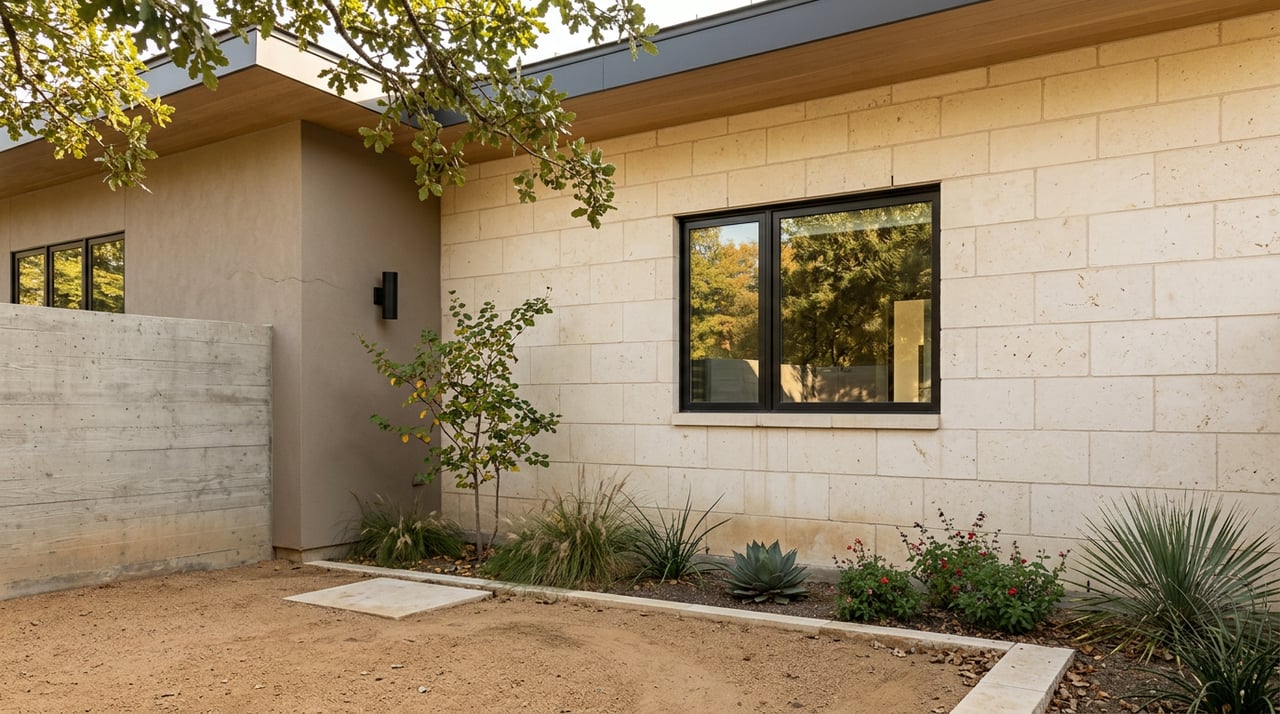
Thinking about buying a brand-new home in Dripping Springs? The finishes and floor plans can be exciting, but in 78620, new construction is about more than choosing cabinets and countertops. You also need to understand the lot, utilities, permits, and contract structure so you can avoid surprises and make a smarter decision. Let’s dive in.
Why Dripping Springs new construction is unique
In Dripping Springs, the property itself is only part of the story. Local permitting, utility availability, and site conditions can shape your timeline, costs, and even whether a homesite is practical for the kind of build you want.
The City of Dripping Springs handles permits tied to new construction, including building, driveway, plumbing, electrical, and certificate of occupancy permits. The city also asks applicants to confirm whether site-development approvals are required before construction begins. That means what looks simple on paper may involve more moving parts once you look at the land and jurisdiction.
Utilities are another big reason new construction here requires extra diligence. The city notes that wastewater service applies within city limits and some subdivisions under development agreements, but its wastewater facility is currently at full capacity and unable to accept new wastewater service connections. The city also notes that some customers are billed by Dripping Springs Water Supply Corp., so water restrictions can vary depending on the provider.
For you as a buyer, that often means a subdivision spec home and a custom home on acreage are not the same kind of purchase. In many master-planned communities, the utility path is usually more defined. On acreage or custom lots, you may need to look much more closely at water, wastewater, grading, and access before moving forward.
Know which type of new construction you’re buying
Not every new-construction purchase uses the same contract or follows the same timeline. In Texas, the paperwork changes based on whether the home is finished, still being built, or not built at all.
The Texas Real Estate Commission uses different forms for different scenarios. A New Home Contract for Incomplete Construction is used for a home under construction or proposed. A Completed Construction contract is used for a finished new home that has never been occupied. If you are buying a vacant residential lot, that falls under an Unimproved Property Contract.
This matters because a builder deal is not just a resale transaction with a new address. Your negotiation points, deadlines, and expectations may be different depending on whether you are buying a move-in-ready spec home, a pre-sale home, or a lot for a custom build.
Plat status matters more than many buyers expect
If you are buying in a subdivision, lot status is an important detail. The City of Dripping Springs code states that no lot may be sold or title conveyed until the final plat has been approved and recorded at Hays County.
The code also allows only limited early residential permit release for up to 10% of lots in a new subdivision once a preliminary plat and required public improvements are in place. In practical terms, this can affect timing for when certain lots can be sold or built on. If you are buying early in a development, this is one of the details worth confirming upfront.
Understand utility questions before you fall in love with a lot
In 78620, utility planning should happen early. This is especially true if you are considering a custom home site, a larger tract, or a property outside a more established subdivision setup.
Start by identifying whether the property will use city sewer, private wastewater, septic, city water, or a well. Hays County states that all development in unincorporated areas must obtain an On-Site Sewage Facility permit, and the county has authority over the location, design, construction, installation, and functioning of those systems.
Wells come with their own rules too. Hays Trinity Groundwater Conservation District requires new wells in the district to be registered. It also requires operating permits for non-exempt groundwater withdrawals and states that drilling before district approval is a violation.
Water planning is not just about whether service exists today. The groundwater district also tracks drought status and aquifer information, which can affect your long-term expectations for landscaping and irrigation. In a Hill Country market like Dripping Springs, that makes utility diligence part of both your purchase decision and your lifestyle planning.
Hill Country land can change your real costs
A lot may look beautiful, but site conditions can have a major impact on what it takes to build there. Central Texas geology is heavily influenced by rock and limestone, and rainwater often drains through limestone into aquifers.
Texas A&M AgriLife also notes that topography, slope, and elevation affect soil formation, runoff, and drainage. For you, that can translate into added attention to grading, retaining walls, driveway design, drainage planning, and foundation decisions.
This is one reason buyers should evaluate the lot before getting too focused on finishes or floor plans. On acreage or custom sites, soil, slope, septic feasibility, and well planning can significantly affect the real cost of the project.
New construction still needs an independent inspection
One of the biggest misconceptions about new construction is that a brand-new home does not need an inspection. In reality, Texas REALTORS notes that buyers may choose to have a new home inspected between signing and closing, and that inspection can help uncover issues that may be expensive to fix later.
According to the Texas REALTORS consumer guide, common concerns can include structural or foundation problems, improper drainage, HVAC issues, faulty wiring, and safety problems. A buyer can also make inspection a contingency.
This is especially important to understand in Dripping Springs because city permitting and buyer inspections serve different purposes. City review is tied to permits and code compliance. A private inspector, on the other hand, is looking at the home’s condition from your perspective as the buyer.
Review the builder warranty in writing
Before closing, take time to read the builder warranty carefully. The Federal Trade Commission states that most newly built homes include a builder warranty, and that these warranties generally cover workmanship and materials for specific components.
Coverage commonly runs about one year for many items, around two years for HVAC, plumbing, and electrical systems, and sometimes up to 10 years for major structural defects. The exact terms can vary, so you want to know what is covered, what is excluded, and how claims must be submitted.
It is also important to know that a builder warranty is not the same as a home warranty or service contract. A builder warranty is typically included with new construction, while a home warranty is generally a separate product that costs extra.
The FTC also notes that many new-home warranties use mediation or arbitration for disputes. That is a strong reason to keep repair requests in writing and understand the dispute process before you need it.
A practical checklist before you make an offer
If you are buying new construction in Dripping Springs, these are some of the most important items to verify early:
- The property’s jurisdiction and which local rules apply
- Whether the lot is in a recorded final plat, if in a subdivision
- Whether utilities are available and which providers serve the property
- Whether the property will use city sewer, private wastewater, septic, city water, or a well
- Whether septic or well approvals are needed
- The site’s slope, drainage, and soil conditions
- The expected construction timeline and permit status
- When independent inspections can happen
- What the builder warranty covers and how claims are handled
These checks can help you compare options more clearly and reduce the risk of expensive surprises later.
Why guidance matters in a market like Dripping Springs
Buying new construction in the Hill Country can be exciting, but it also asks more of you than many buyers expect. The right home may depend just as much on infrastructure and site feasibility as on design and finish level.
That is why a calm, detail-oriented approach matters. When you understand the contract type, utility path, inspection process, and lot conditions before you commit, you put yourself in a much stronger position to buy with confidence.
If you are exploring new construction in Dripping Springs and want thoughtful, local guidance, Kasey Fagan can help you navigate the process with clarity and care.
FAQs
What should you check before buying new construction in Dripping Springs?
- You should confirm jurisdiction, plat status, utility availability, septic or well feasibility, site slope and drainage, inspection timing, and builder warranty terms.
Does a new construction home in Dripping Springs still need an inspection?
- Yes. Texas REALTORS says buyers may choose to have a new home inspected before closing, and inspections can uncover issues like drainage, wiring, HVAC, or structural concerns.
Is a builder warranty the same as a home warranty for a new home?
- No. A builder warranty is generally included with new construction, while a home warranty is usually a separate service contract.
Can every Dripping Springs homesite connect to city wastewater?
- No. The City of Dripping Springs states that its wastewater facility is currently at full capacity and unable to accept new wastewater service connections, so you should verify the utility path for each property.
What matters most when buying a custom lot in 78620?
- The most important factors are often utility feasibility, septic or well requirements, soil and drainage conditions, slope, access, and how those factors may affect total project cost.